If Your Clomiphene Batch Gets Recalled: A Step-by-Step Patient Action Plan

For most fertility patients, the word "recall" surfaces as an abstract worry — something that happens to other medications, in other industries. But pharmaceutical recalls do occur in the reproductive medicine space, and when they do, the timing can feel devastating. A patient already three days into a stimulation cycle, having invested hundreds of dollars and weeks of emotional preparation, suddenly faces uncertainty about the very medication driving that cycle forward.
This guide is designed to remove that uncertainty. By understanding how recalls are initiated, how to verify whether your specific supply is affected, and what to do immediately upon confirmation, you can move from anxiety to action — quickly and with clinical confidence.
How Pharmaceutical Recalls Actually Work
The U.S. Food and Drug Administration (FDA) classifies drug recalls into three categories based on the severity of the potential risk. A Class I recall indicates a reasonable probability that exposure to the product will cause serious adverse health consequences or death. A Class II recall involves a product that may cause temporary or medically reversible adverse health consequences. A Class III recall applies to situations where use of the product is unlikely to cause any adverse health consequence, but where the product violates FDA labeling or manufacturing regulations.
The vast majority of pharmaceutical recalls fall into Class II or Class III territory — often triggered by issues such as contamination concerns, labeling errors, subpotent or superpotent formulations, or deviations in sterile manufacturing conditions. These are not necessarily crises, but they do require prompt, methodical responses from both pharmacies and patients.
Recalls are typically initiated either voluntarily by the manufacturer or at the FDA's request. Once a recall is formally announced, the FDA publishes the action on its publicly accessible Recalls, Market Withdrawals, & Safety Alerts database. From that point, the supply chain — distributors, pharmacies, and in some cases direct-to-consumer platforms — is obligated to respond according to established protocols.
Why Clomiphene Citrate Is Not Immune
Clomiphene citrate, sold under the brand name Clomid and available in multiple generic formulations, has a long and generally well-established safety record. However, that history does not make it exempt from the manufacturing and distribution vulnerabilities that affect all pharmaceutical products.
Generic clomiphene is manufactured by a relatively small number of pharmaceutical companies and distributed through complex domestic and international supply chains. Potency variation, packaging defects, and facility compliance failures are real, if infrequent, risks within this system. Patients who source their medication through non-verified channels face a compounded risk, as counterfeit or adulterated products may never appear in official recall databases at all — meaning patients have no mechanism for being notified.
This is one of the more underappreciated arguments for obtaining fertility medications only through licensed, verifiable pharmacy channels.
How to Check Whether Your Medication Is Affected
If you hear about a recall — whether through news coverage, a notification from your pharmacy, or a message from your prescribing physician — the first step is verification. Here is how to do that systematically:
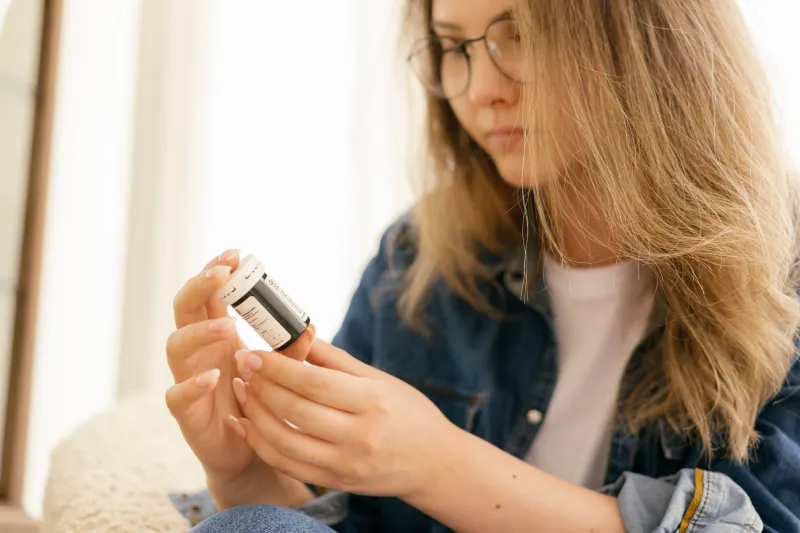
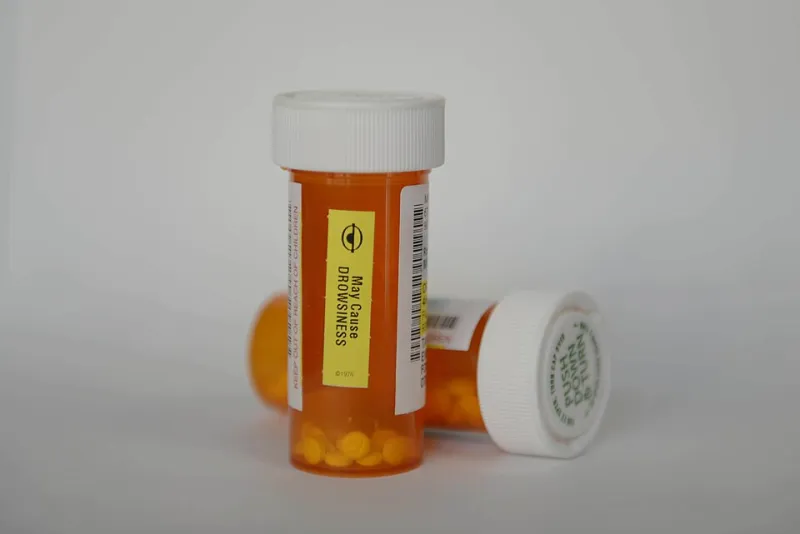
1. Locate your medication's lot number and expiration date. This information is printed on the outer packaging of your medication, typically on a label affixed to the bottom or side of the carton. The lot number (sometimes labeled "Lot" or "Batch") is distinct from the NDC (National Drug Code) number.
2. Visit the FDA's official recall database. Navigate to fda.gov/safety/recalls-market-withdrawals-safety-alerts. Use the search function to look for the specific drug name, manufacturer, or NDC number. Each recall entry will specify the exact lot numbers affected.
3. Cross-reference your lot number with the recall notice. If your lot number does not appear in the recall documentation, your supply is not part of the recall. Document this finding — take a screenshot or print the page — for your own records.
4. Contact your dispensing pharmacy directly. Your pharmacy maintains records of which lots were dispensed to which patients. If a recall is announced, a licensed pharmacy is typically required to notify affected patients. However, proactive outreach on your part ensures nothing falls through the cracks.
What to Do Immediately If Your Batch Is Affected
Confirming that your medication falls within a recalled lot number requires calm, deliberate action. Here is the sequence of steps to follow:
Stop using the medication. Do not continue taking doses until you have spoken with your prescribing physician, regardless of where you are in your cycle. This is the most important immediate action.
Contact your prescribing physician the same day. Explain the situation, provide the lot number, and ask for specific guidance given your current cycle status. Your physician may advise a brief pause, may have access to a verified replacement supply, or may recommend a cycle modification depending on how many doses you have already taken.
Return the medication to your dispensing pharmacy. Most recall protocols include a return and replacement or refund process. Your pharmacy should be able to guide you through this. Retain your original receipt or prescription records, as these will facilitate the return.
File a MedWatch report if appropriate. If you experienced any adverse effects — or even if you did not — you can voluntarily report the situation to the FDA through its MedWatch program at fda.gov/safety/medwatch. Patient reports contribute to the FDA's post-market surveillance system and help protect others.
Request replacement medication promptly. Work with your physician and pharmacy to identify a verified alternative supply. In many cases, a different manufacturer's generic formulation of clomiphene citrate will be available and clinically equivalent. Your prescriber can confirm whether a substitution is appropriate for your protocol.
The Emotional Dimension of a Recall Mid-Cycle
It would be clinically incomplete to address this topic without acknowledging its emotional weight. Fertility treatment demands an extraordinary level of physical, financial, and psychological investment. Discovering that a medication may be compromised mid-cycle is not a minor administrative inconvenience — for many patients, it represents a potential disruption to a carefully timed window that cannot easily be reopened.
Allowing yourself to feel that frustration is entirely valid. However, the clinical reality is that most recalls involve non-critical manufacturing deviations, and replacement medications are frequently available within days. Working through the steps outlined above — methodically, in close communication with your care team — typically allows cycles to be preserved or, at minimum, carefully managed.
Protecting Yourself Before a Recall Ever Occurs
The most effective recall response begins before any recall is announced. Patients who maintain organized medication records — including lot numbers, dispensing dates, and prescriber contact information — are positioned to act within hours rather than days when a recall notice is issued.
Additionally, obtaining fertility medications exclusively from licensed, verifiable pharmacy sources ensures that your supply is traceable within the regulated recall notification system. Medications obtained from unverified online sources, international gray-market suppliers, or informal channels exist entirely outside this infrastructure. If those products are contaminated or subpotent, there is no recall notice coming — and no recourse available.
At ClomidCare USA, every medication dispensed through our platform is sourced from licensed manufacturers and distributed through compliant channels, ensuring full traceability. That traceability is not simply a regulatory formality. In the event of a recall, it is the mechanism that connects a lot number to a patient — and a patient to a solution.