After the Last Pill: A Practical and Emotional Guide to Managing Unused Fertility Medications
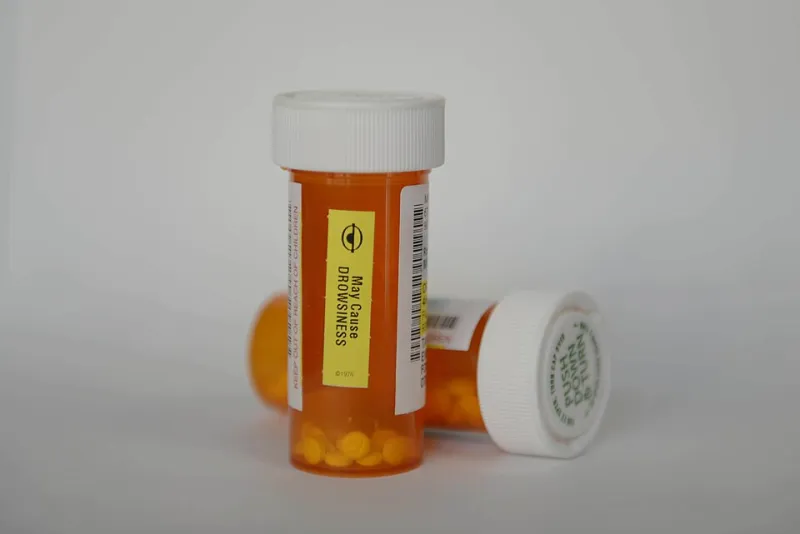
Photo: Airman Valerie Monroy, Public domain, via Wikimedia Commons
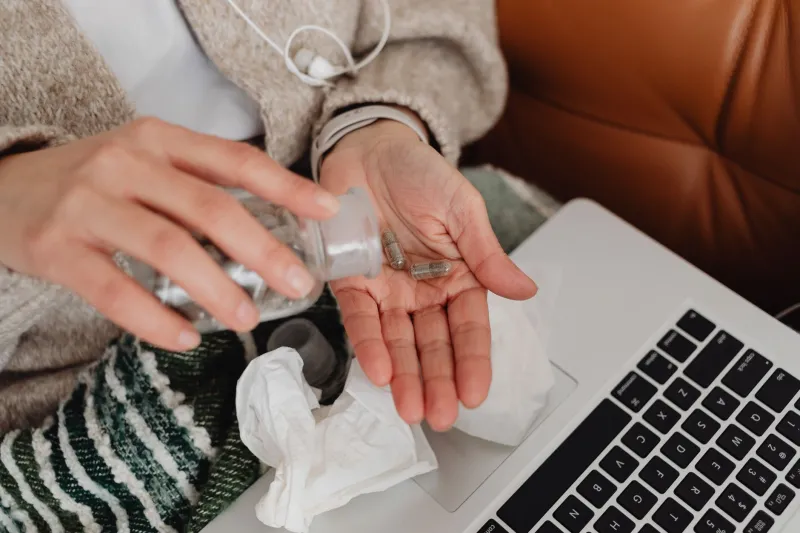
Fertility treatment rarely unfolds according to plan. Dosages get adjusted mid-cycle. Protocols are discontinued earlier than expected. Sometimes a positive result arrives before all the medication has been used. Whatever the reason, a significant number of patients reach the end of their treatment journey with bottles, blister packs, or vials of unused fertility drugs still on hand—and no clear guidance on what to do with them.
This situation is more common than most people realize, and it raises genuinely important questions: Is it safe to keep leftover Clomid or other fertility medications for a potential future cycle? Can unused drugs be donated? What does proper disposal actually look like, and why does it matter? And perhaps less discussed but equally real—what does it mean emotionally to hold onto medications that represent a chapter of your life that has now closed, one way or another?
This guide addresses all of those dimensions directly.
Why Leftover Fertility Medications Are So Common
Fertility protocols are calibrated to individual patient profiles, and those profiles can shift rapidly. A physician may prescribe a standard supply of clomiphene citrate for a planned three-cycle course, only to find that conception occurs in the first cycle. Alternatively, a treatment plan may be modified in response to monitoring results—a lower dose, a shorter duration, or a pivot to a different medication entirely—leaving the original supply partially intact.
Injectable gonadotropins are particularly prone to this problem, given that they are often dispensed in fixed quantities that do not align perfectly with the individualized units ultimately administered. Oral medications such as Clomid (clomiphene citrate) are somewhat more predictable in dosage but are still subject to the same variability in outcomes and protocols.
The result is that many households end up with a small—sometimes not so small—cache of fertility drugs after treatment concludes.
The Medical Case Against Self-Storage
The instinct to hold onto unused fertility medications is understandable. These drugs are expensive, emotionally significant, and may feel like a practical resource for a future attempt. However, there are meaningful medical reasons why self-storage is generally not advisable without explicit physician guidance.
First, medications have expiration dates for a reason. Clomiphene citrate, like most pharmaceutical compounds, degrades over time. A medication that has passed its expiration date may deliver inconsistent potency, which is particularly problematic in fertility treatment where precise hormonal signaling is essential. Using degraded medication could produce unpredictable ovarian responses or simply fail to work as intended.
Second, your clinical circumstances may change between cycles. A medication that was appropriate for your profile six months ago may not be the right choice following new lab results, a change in diagnosis, or a revised treatment strategy. Self-administering leftover medication without updated physician oversight introduces real risk.
Third, improper storage—exposure to heat, humidity, or light—can compromise drug integrity even before the expiration date. Home storage conditions are rarely equivalent to the controlled environments maintained by licensed pharmacies.
If you genuinely believe you may pursue another treatment cycle in the near future, the appropriate step is to consult your prescribing physician before assuming that your remaining supply is suitable for reuse. Do not restart any fertility medication regimen based solely on a prior prescription.
DEA-Approved Disposal: What U.S. Patients Should Know
For medications that cannot or should not be retained, the U.S. Drug Enforcement Administration (DEA) has established clear guidance on proper pharmaceutical disposal. The primary options available to patients in the United States include the following:
Authorized Take-Back Programs: The DEA sponsors National Prescription Drug Take Back Days twice annually, with collection sites located at pharmacies, hospitals, and law enforcement facilities across the country. Many retail pharmacy chains—including CVS, Walgreens, and Rite Aid—also maintain year-round medication drop boxes on their premises. These programs are free, anonymous, and environmentally responsible. They represent the most straightforward disposal option for most patients.
Mail-Back Programs: For patients who do not have convenient access to a drop-box location, DEA-authorized mail-back envelopes are available through certain pharmacy programs. These prepaid envelopes allow medications to be returned safely without requiring an in-person visit.
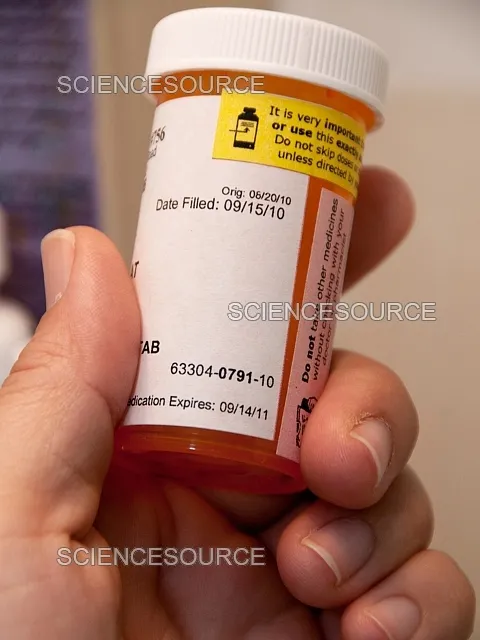
Household Disposal as a Last Resort: When no take-back option is accessible, the FDA recommends mixing medications with an undesirable substance—used coffee grounds, dirt, or cat litter—sealing the mixture in a bag, and disposing of it in the household trash. Patients should remove or obscure all personal information from prescription labels before disposal. Flushing is generally not recommended for most medications unless specifically indicated on the drug label, due to environmental concerns.
Clomiphene citrate is not classified as a controlled substance, which means its disposal is somewhat less regulated than, say, opioid medications. However, the same best practices apply, both for environmental protection and to prevent the drug from being accessed and misused by others.
Can Unused Fertility Medications Be Donated?
This question arises frequently, and the answer requires nuance. In the United States, the redistribution of prescription medications between private individuals is prohibited under federal law, regardless of intent. You cannot legally give your unused Clomid to a friend, family member, or online acquaintance, even with the most generous of motivations.
However, some states have enacted Prescription Drug Repository Programs—sometimes called medication donation programs—that allow unused, unopened medications in acceptable condition to be donated to licensed facilities for redistribution to qualifying patients. Eligibility requirements, accepted drug lists, and program availability vary considerably by state. Patients interested in this option should contact their state board of pharmacy or speak with their healthcare provider to determine whether a program exists in their area and whether their specific medications qualify.
Fertility medications, particularly injectables, are sometimes accepted by fertility clinic programs that facilitate drug sharing among patients. These arrangements are typically managed through the clinic itself and are subject to specific protocols designed to ensure patient safety. If this is something you wish to explore, your reproductive endocrinologist is the appropriate first point of contact.
The Emotional Weight of 'Leftover Hope'
Beyond the logistical and medical dimensions, there is a human reality to this situation that deserves acknowledgment. For patients who completed treatment successfully, leftover medications may feel like a relic—something to be cleared away as life moves forward. For those whose cycles did not result in a pregnancy, those same bottles can carry an entirely different emotional charge.
Unused medication can feel like unrealized possibility. Some patients find it difficult to discard it, not because they intend to use it, but because disposing of it feels like a form of finality. Others want it gone immediately, for precisely the same reason.
Both responses are valid. There is no medically or emotionally correct timeline for processing the end of a fertility treatment cycle. If you find that the presence of unused medication is affecting your wellbeing, speaking with a therapist who specializes in reproductive health may offer meaningful support. Fertility-specific mental health resources are increasingly available, and many reproductive endocrinology practices can provide referrals.
A Final Word on Moving Forward
Whether your treatment cycle concluded with the outcome you hoped for or not, the question of what to do with leftover medications is one that deserves a thoughtful answer—not an improvised one. Dispose of unusable drugs through authorized channels. Consult your physician before assuming any remaining supply is appropriate for future use. And if the emotional weight of this moment feels significant, give yourself permission to address that as well.
At ClomidCare USA, we recognize that fertility treatment is not simply a clinical transaction. It is a deeply personal experience, and every stage of it—including how it ends—warrants care and clarity.