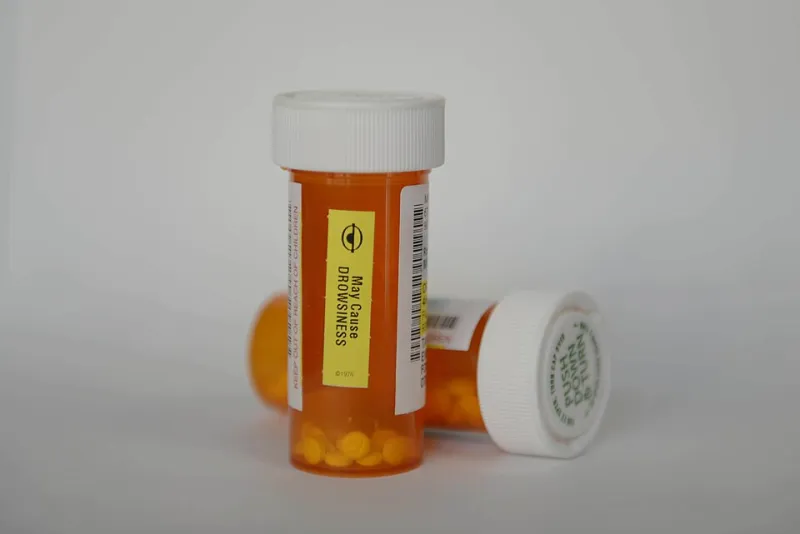
When the Pharmacy Shelf Goes Empty: Navigating Fertility Medication Shortages With a Solid Contingency Plan

For patients already navigating the emotional and logistical demands of fertility treatment, the last thing anyone anticipates is arriving at a pharmacy to discover that a critical medication is simply unavailable. Yet drug shortages are not rare events in the United States — they are a recurring, documented feature of the pharmaceutical supply chain that affects fertility medications with notable frequency.
Understanding how these shortages develop, what warning signs to watch for, and how to build a proactive strategy with your provider can protect your treatment timeline and reduce the anxiety that comes with uncertainty.
How Fertility Drug Shortages Actually Develop
Most patients assume that a medication shortage means a manufacturer simply ran out of raw materials. The reality is considerably more complex. Fertility drug shortages in the U.S. typically emerge from a convergence of factors that build over months before they become visible at the pharmacy counter.
Manufacturing concentration is one of the primary drivers. A significant portion of the active pharmaceutical ingredients used in fertility medications — including clomiphene citrate, gonadotropins, and progesterone formulations — are synthesized at a small number of facilities globally. When a single facility faces a regulatory inspection failure, a contamination event, or an unplanned production halt, the downstream effects ripple through the entire U.S. supply within weeks.
Regulatory bottlenecks compound the problem. The U.S. Food and Drug Administration (FDA) maintains strict oversight of pharmaceutical manufacturing standards. When a facility receives a warning letter or undergoes remediation, production may be suspended for months while compliance issues are addressed. Although these measures exist to protect patients, they can temporarily reduce the available supply of otherwise safe medications.
Demand surges also play a role. Fertility treatment rates in the United States have risen steadily over the past decade. When a larger patient population competes for a fixed — or temporarily constrained — supply, shortages can appear even when manufacturing is operating normally.
Distribution and wholesaler dynamics add another layer. Specialty medications often travel through a tiered distribution network before reaching retail or specialty pharmacies. Delays at any point in that chain, including shipping disruptions, wholesaler inventory decisions, or regional allocation policies, can create localized shortages even when national supply appears adequate.
The Warning Signs Patients Often Miss
Shortages rarely announce themselves with advance notice. However, there are early signals that an attentive patient — or their care team — can recognize.
A sudden increase in the time it takes a pharmacy to fill a prescription is frequently the first indicator. If a medication that was previously filled within 24 to 48 hours now requires a week or more, this may reflect upstream supply pressure rather than a routine inventory issue.
Physician offices and fertility clinics often receive alerts from pharmaceutical distributors before shortages become publicly visible. Patients who maintain open, regular communication with their care team are more likely to receive advance warning and have time to act.
The FDA's Drug Shortage Database, available at fda.gov, is a publicly accessible resource that tracks current and resolved shortages across drug categories. Bookmarking this resource and checking it periodically — particularly in the weeks before a new cycle begins — is a straightforward precaution.
Building a Contingency Strategy Before You Need One
The most effective response to a medication shortage is preparation that begins well before any disruption occurs. The following strategies can meaningfully reduce your vulnerability.
Request advance prescriptions when clinically appropriate. Many fertility protocols are planned several weeks in advance. Where a prescriber is willing and regulations permit, obtaining a prescription slightly ahead of your anticipated start date allows you to secure your medication before a shortage affects local inventory. Discuss this approach openly with your physician.
Diversify your pharmacy sources. Relying on a single pharmacy — particularly a general retail chain — can leave you without recourse when local stock runs out. Specialty pharmacies, mail-order pharmacies, and verified online dispensaries that operate within U.S. regulatory frameworks often maintain separate inventory channels and may have access to supply that local retailers do not.
Ask about alternative formulations. Some fertility medications are available in multiple formulations — oral tablets, injectable solutions, or compounded preparations. If a specific formulation faces a shortage, your prescriber may be able to substitute an equivalent option without disrupting your protocol. This conversation is best initiated before a shortage occurs, so that your care team has time to evaluate clinical appropriateness.
Understand your medication's substitution landscape. Generic equivalents, where they exist and are FDA-approved, can serve as clinically interchangeable alternatives during a brand-name shortage. Familiarizing yourself with the generic name of every medication in your protocol — and confirming with your provider which substitutions are acceptable — removes decision-making pressure during a stressful moment.
Maintain a modest buffer supply when your protocol permits. Some fertility medications have reasonable shelf stability when stored correctly. If your treatment plan involves ongoing medication use across multiple cycles, ask your provider whether maintaining a small reserve — obtained during periods of normal supply — is appropriate for your specific protocol.
Working Effectively With Your Provider During a Shortage
A shortage is not a moment to navigate alone. Your fertility specialist, reproductive endocrinologist, or prescribing physician has both the clinical knowledge and the professional networks to identify solutions that may not be immediately apparent.
When you contact your provider's office during a shortage, come prepared with specific information: the name of the medication, the formulation and dosage, the pharmacy where you attempted to fill the prescription, and any information you have gathered from the FDA shortage database. This level of preparation allows the clinical team to act efficiently rather than spending time gathering basic facts.
Ask directly whether the clinic maintains any emergency stock of critical medications for active patients. Some fertility practices, particularly those with in-house dispensing capabilities, do maintain limited reserves precisely for situations like this.
If a protocol adjustment becomes necessary, request a clear explanation of how the change may affect your cycle outcomes. Understanding the clinical reasoning behind any modification helps you engage as an informed participant rather than a passive recipient of decisions made on your behalf.
The Broader Case for Reliable Supply Access
Fertility treatment operates on precise biological timing. A missed medication window, a delayed cycle start, or an interrupted protocol does not simply represent an inconvenience — it can mean a lost treatment cycle and the emotional and financial costs that accompany it.
Access to medications through sources that maintain consistent inventory, operate within established regulatory frameworks, and offer transparent communication about availability is not a luxury. For patients whose treatment windows are defined by biology rather than calendar preference, it is a clinical necessity.
Building a relationship with a pharmacy partner that prioritizes supply reliability — and that communicates proactively when inventory concerns arise — is among the most practical steps a fertility patient can take to protect their treatment continuity.
Shortages will continue to occur. The supply chain for pharmaceutical products is too complex, and the pressures on it too varied, to expect otherwise. What patients can control is their level of preparation, the strength of their communication with their care team, and the reliability of the sources from which they obtain their medications.
That preparation, built now rather than in the middle of a crisis, is what keeps a treatment cycle on track when the pharmacy shelf goes empty.