The Other Half of the Protocol: How Daily Habits Either Support or Undercut Your Fertility Medications

Photo: Shixart1985, CC BY 2.0, via Wikimedia Commons
A fertility prescription is a clinical tool, not a complete solution. The biological systems that fertility medications are designed to influence—hormonal signaling, follicular development, endometrial receptivity, sperm production—do not operate in a vacuum. They respond continuously to inputs that have nothing to do with pharmacology: the food consumed at breakfast, the duration of last night's sleep, the glass of wine at dinner, the supplement taken on a friend's recommendation.
Understanding how these everyday decisions interact with prescribed medications is not a peripheral concern. For patients undergoing treatment with clomiphene citrate, letrozole, or gonadotropins, lifestyle variables can function as either amplifiers or inhibitors of pharmaceutical action. The research supporting this view has grown substantially over the past decade, and the clinical community has begun integrating it more formally into patient counseling.
This article synthesizes current evidence on the most clinically relevant lifestyle factors, with the goal of helping patients make informed decisions that complement—rather than compromise—their prescribed protocol.
Diet and Nutritional Status: The Hormonal Substrate
Fertility medications work by modulating hormonal signals, but those signals travel through a biochemical environment that is directly shaped by nutritional status. A growing body of research supports the relevance of dietary patterns to treatment outcomes.
The Mediterranean dietary pattern—characterized by high intake of vegetables, legumes, whole grains, fish, and olive oil—has been associated in multiple observational studies with improved outcomes in assisted reproductive technology (ART) cycles. A 2018 study published in Human Reproduction found that women adhering closely to a Mediterranean diet had a significantly higher probability of clinical pregnancy and live birth following IVF. While direct evidence for Clomid-specific cycles is more limited, the underlying mechanisms—reduced systemic inflammation, improved insulin sensitivity, and favorable lipid profiles—are broadly applicable.
Insulin resistance deserves particular attention. Clomiphene citrate is frequently prescribed to women with polycystic ovary syndrome (PCOS), a condition in which insulin resistance is a central pathophysiological feature. Diets high in refined carbohydrates and added sugars can worsen insulin resistance, potentially blunting the ovulatory response to clomiphene. Research has demonstrated that modest dietary modifications aimed at improving insulin sensitivity can increase ovulation rates in PCOS patients on clomiphene, sometimes meaningfully.
Caloric extremes in either direction also warrant attention. Both significant caloric restriction and obesity are independently associated with disrupted hypothalamic-pituitary-ovarian axis function—the precise axis that medications like Clomid are designed to stimulate. Patients whose body mass index falls outside the normal range may experience altered drug metabolism and diminished response.
Supplement Use: Synergy and Interference
The supplement market in the United States generates billions of dollars annually, and fertility-adjacent products represent a growing segment. Patients frequently arrive at their first appointment already taking a range of supplements, sometimes without having disclosed this to their prescribing physician.
Some supplements have a credible evidence base in the context of fertility treatment:
- Coenzyme Q10 (CoQ10): Studied for its role in mitochondrial function within oocytes, CoQ10 supplementation has shown promise in improving egg quality, particularly in women of advanced reproductive age. It does not appear to interfere with common fertility medications.
- Myo-inositol: Particularly relevant for women with PCOS, myo-inositol has demonstrated the ability to improve insulin sensitivity and ovarian function. Several studies suggest it may improve the ovulatory response to clomiphene in PCOS patients when used adjunctively.
- Folate/Methylfolate: Recommended universally for patients attempting conception, folate is critical for neural tube development and has no known negative interaction with fertility medications.
- Vitamin D: Deficiency is common in the United States, and low vitamin D levels have been associated with reduced IVF success rates. Correcting deficiency prior to treatment is a low-risk intervention with potential benefit.
However, not all supplements are benign in this context. High-dose antioxidant combinations, certain herbal preparations (including St. John's Wort, which affects cytochrome P450 enzyme activity and can alter drug metabolism), and megadose vitamin A supplementation all carry potential for interference. Patients should disclose every supplement to their care team before beginning a medication cycle.
Alcohol: A Quantifiable Risk
The data on alcohol consumption and fertility are more consistent than many patients expect. A comprehensive meta-analysis published in BMJ Open found that even moderate alcohol intake—defined as fewer than five drinks per week—was associated with reduced fertility in women attempting natural conception. In the context of active fertility treatment, the risks are compounded.
Alcohol affects the hypothalamic-pituitary axis, disrupts estrogen metabolism, and has been associated with reduced implantation rates in IVF cycles. For patients taking clomiphene or letrozole during an active treatment cycle, alcohol introduces a variable that clinical evidence consistently identifies as counterproductive. The conservative clinical recommendation is abstinence from alcohol during active treatment cycles, a position that the majority of reproductive endocrinologists endorse.
Exercise Timing and Intensity: Finding the Therapeutic Window
Physical activity occupies a nuanced position in fertility research. Moderate, consistent exercise has been associated with improved hormonal profiles, reduced inflammatory markers, and better insulin sensitivity—all factors that support fertility medication efficacy. The American Society for Reproductive Medicine (ASRM) acknowledges the general benefits of moderate exercise for reproductive health.
However, intensity matters considerably. High-volume, high-intensity exercise—particularly in female athletes or individuals training at competitive levels—is associated with hypothalamic suppression and disrupted menstrual function, a condition sometimes referred to as the Female Athlete Triad or, more recently, Relative Energy Deficiency in Sport (RED-S). In these cases, the hypothalamic suppression that exercise induces can directly counteract the stimulatory mechanism of clomiphene.
For most patients, a practical guideline is to maintain moderate aerobic activity (150 minutes per week of moderate-intensity exercise, consistent with CDC recommendations) while avoiding strenuous, high-volume training during active treatment cycles. Patients who are competitive athletes or who engage in intensive training programs should discuss modifications with their reproductive endocrinologist.
Sleep: The Underestimated Hormonal Regulator
Sleep is not a passive state. During sleep, the body executes critical hormonal processes, including the pulsatile release of luteinizing hormone (LH) and follicle-stimulating hormone (FSH)—the very hormones that fertility medications are designed to influence. Disrupted sleep architecture, whether from insomnia, shift work, or sleep-disordered breathing, has been associated with menstrual irregularity, reduced ovarian reserve markers, and poorer ART outcomes.
A 2013 study in Fertility and Sterility found that women undergoing IVF who reported sleeping fewer than seven hours per night had lower fertilization rates than those sleeping seven to eight hours. While direct evidence specific to oral ovulation induction agents is limited, the underlying endocrinological mechanisms are shared. Prioritizing consistent, adequate sleep—seven to nine hours for most adults—during a fertility treatment cycle is a low-cost, evidence-supported intervention.
Timing Decisions: When You Take Your Medication
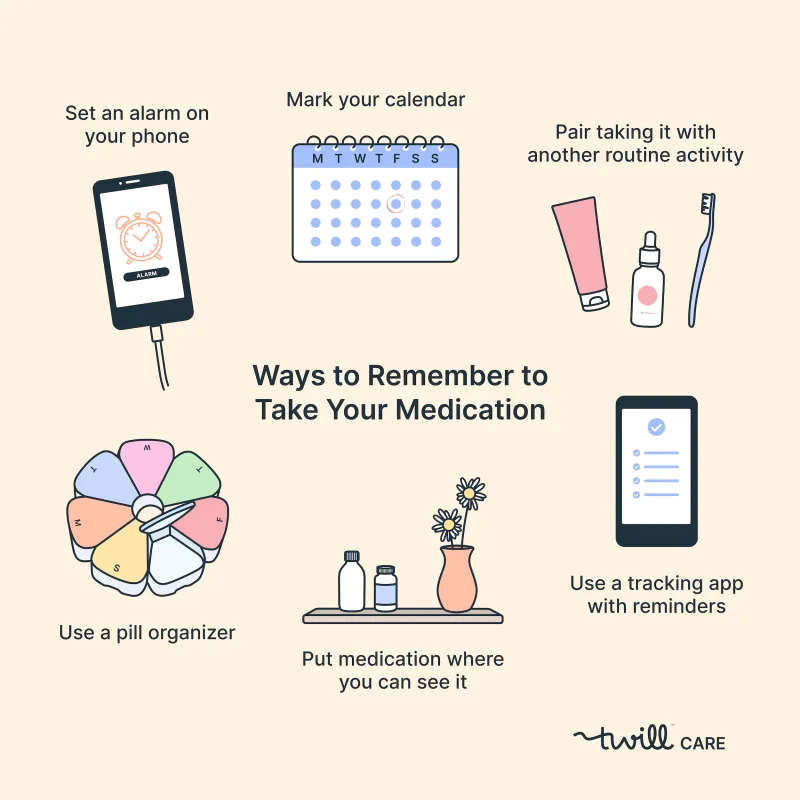
Medication timing within the context of daily life is also worth examining. Clomiphene citrate is typically prescribed on specific cycle days (commonly days 3–7 or 5–9), and taking it at a consistent time each day helps maintain stable plasma concentrations. Patients who take doses at irregular times, skip doses due to schedule conflicts, or take medications on an empty stomach when food-based administration is better tolerated may inadvertently introduce variability into their cycle.
Discussing the practical logistics of administration with a pharmacist or care provider—not just the clinical protocol—helps bridge the gap between prescription and outcome.
Integrating the Evidence: A Practical Framework
The convergence of these research areas points toward a consistent conclusion: fertility medications perform within a biological context that patients actively shape through their daily decisions. The pharmaceutical intervention and the lifestyle environment are not separate categories—they are interacting systems.
For patients working with ClomidCare USA, this means approaching treatment as a comprehensive protocol rather than a simple prescription. The medication provides the clinical signal; the lifestyle environment determines how clearly that signal is received. Both deserve deliberate attention.
Consult with your prescribing physician or a registered dietitian specializing in reproductive health before making significant changes to your diet, exercise regimen, or supplement routine during active treatment. Evidence-informed adjustments, made in coordination with your care team, represent the most reliable path toward maximizing the investment you have made in your fertility treatment.